
What Every Clinician Should Know About Pelvic Health in Sport

What Every Clinician Should Know About Pelvic Health in Sport
This course includes
The instructors
Overview
This Embodia course with Michelle Lyons provides a comprehensive, evidence-informed approach to pelvic floor muscle training (PFMT) and urinary leakage management in female athletes. Moving beyond isolated Kegels, the course integrates pelvic floor rehabilitation with global strength training, hip conditioning, load management, hormonal considerations, and lifespan-specific care.
Participants will explore how high-impact sport, recovery strategies, postpartum hormonal shifts, and menopause influence pelvic floor resilience and lower urinary tract symptoms. The course emphasizes neuromuscular coordination strategies such as “the knack,” individualized return-to-sport planning, and a biopsychosocial model of care.
Designed for clinicians working with active women across the lifespan, this course supports practical, performance-focused, and person-centered pelvic health care.
Learning Objectives
By the end of this course, participants will be able to:
-
Explain the role of pelvic floor muscle training (PFMT) in preventing and managing stress urinary incontinence in athletes
-
Teach and apply “the knack” to train automatic pelvic floor activation during impact
-
Integrate pelvic floor rehabilitation with global strength and resistance training
-
Assess the influence of hip mobility and strength (rotation, abduction, extension) on pelvic floor function
-
Apply load management and recovery principles to reduce stress urinary incontinence risk
-
Develop individualized return-to-running strategies for postpartum athletes
-
Address pelvic health considerations during menopause using a biopsychosocial framework
-
Incorporate adjunct strategies such as pessaries, compression garments, footwear optimization, and nutritional considerations
Audience
This course is designed for musculoskeletal physiotherapists and all clinicians who work with active women and female athletes - from recreational exercisers to elite competitors.
It will be especially valuable for:
-
Sports physiotherapists and athletic therapists seeking to integrate pelvic health into performance and injury prevention.
-
Pelvic health physiotherapists interested in expanding their understanding of sport-specific demands.
-
Clinicians in orthopaedics, women’s health, and exercise science who want to better support female patients through all life stages—menstrual, maternal, and perimenopausal.
-
Trainers, coaches, and other movement professionals looking to identify when referral to a pelvic health specialist may be appropriate.
No prior experience in pelvic health is required - just curiosity and a commitment to improving care for active women.
Why This Course Matters
Urinary leakage remains highly prevalent - and significantly underreported - among female athletes. Despite strong evidence supporting pelvic floor muscle training, dysfunction is often underdiagnosed and undertreated.
This course highlights critical considerations including:
-
The effectiveness of PFMT combined with global strength training
-
The role of hip mobility and strength in reducing lower urinary tract symptoms
-
The importance of recovery and load management (e.g., high-intensity running >5 days/week increases risk)
-
Hormonal influences in postpartum recovery and breastfeeding-related genitourinary symptoms
-
The musculoskeletal and pelvic health impact of menopause
-
The value of a biopsychosocial, individualized treatment approach
Rather than isolating pelvic floor strength, this course reframes pelvic health as an integrated system influenced by training load, energy availability, hormonal shifts, inflammation, fatigue, hypermobility, and scarring.
For clinicians working with athletic women, this knowledge is essential for prevention, performance optimization, and long-term pelvic health resilience.
The instructors
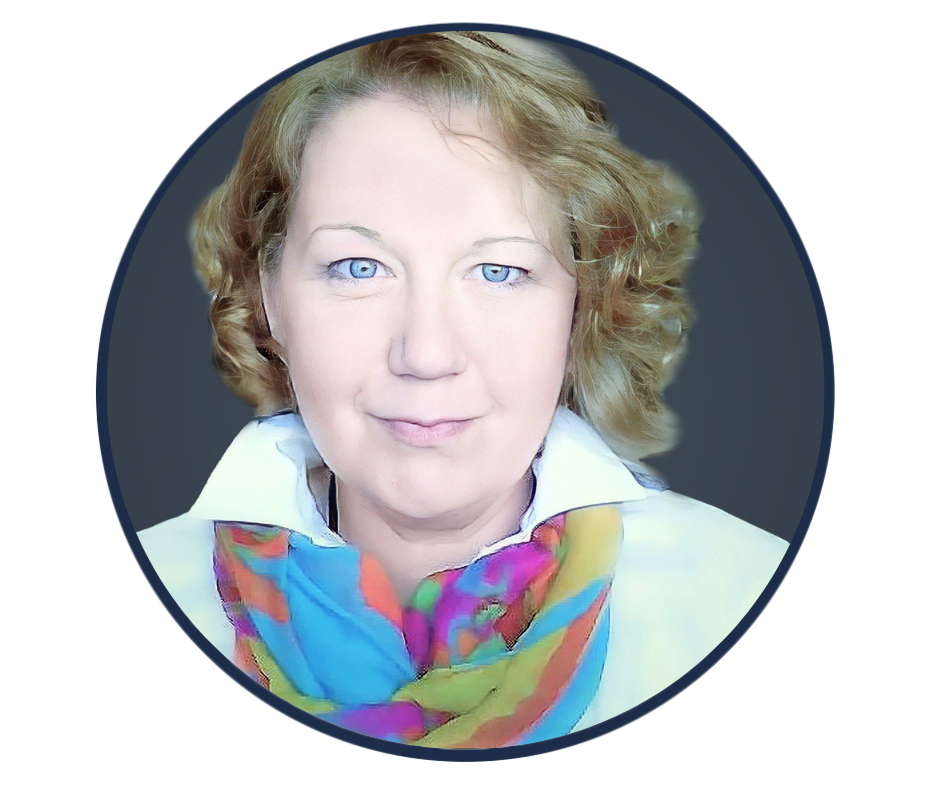
PT, MISCP
Michelle Lyons graduated from University College Dublin’s Physiotherapy programme in 1994; sinec then she has completed postgraduate training in Health Coaching & Nutrition (University of Galway) and Innovation & Enterprise (Trinity College Dublin) as well as a certificate in Integrative Herbal Medicine from the University of Arizona and teacher trainings in Pilates, Yoga and Mindfulness as a therapeutic Intervention. She has lived and worked in both Ireland and the US and as well as membership in the Irish Society of Chartered Physiotherapists, she is also licensed as a Physical Therapist by the state of Connecticut.
Michelle has been faculty for many continuing education institutions, including the Pelvic Obstetric & Gynaecological Physiotherapy Association, Medbridge Education and Herman & Wallace, The Pelvic Rehab Institute. She is a highly regarded teacher and has presented at many international conferences including the International Continence Society, the International Pelvic Pain Society, CSM for the APTA, Pelvicon, Therapy Expo, the British Pelvic Floor Society, Pelvic Health Solutions symposium (Canada), the Kuwait Women’s Health Conference, the Turkish Gastroenterology conference as well as three teaching tours of Australia/New Zealand/Singapore.
Material included in this course
-
Course Materials
-
Welcome and References
-
Is Pelvic Health a Concern in Sport?
-
The MC as a Superpower
-
The Bladder is a Storage Unit
-
Are We Screening Lower Limb Resilience?
-
How Should We Screen?
-
How Best to Perform PF Training?
-
Key Takeaways
-
Summary and Key Insights
-
Questions
-
General feedback
-
Exam
-
Course evaluation (required for US CEUs)
Has this course been approved for CEUs (Continuing Education Units) for Physical Therapists and Physical Therapy Assistants in the US?
Yes, Embodia is a rule-approved CE provider of the PT Board of Florida (# 50-54793), a licensed CE sponsor of physical therapy continuing education by the Illinois Department of Financial & Professional Regulation (IDFPR #216.000415), an approved provider of continuing education by APTA Massachusetts, an approved provider of the Oklahoma Board of Medical Licensure & Supervision - Physical Therapy (#50-54793), and an approved provider of continuing education for Physical Therapists and Physical Therapist Assistants in California (CA) by CEUapproval.com, a recognized approval agency of the Physical Therapy Board of CA.
Courses approved by other state boards in the following jurisdictions are likely accepted for licensure credit based on the state regulation:
AL | AK | AR | CO | CT | DE | GA | HI | ID | IL | IN | IA | KS | KY | ME | MA | MI | MO | MT | NE | NH | NC | ND | OK | OR | PA | RI | SC | SD | UT | VT | VA | VI | WA | WI | WY
Please reach out to your state licensing board to confirm. If you have a specific question about CEU approval for this course in your state, please direct your inquiry to info@ceuapproval.com
The following states are not pre-approved: AZ, DC, LA, MD, MN, MS, NM, NV, NY, NJ, OH, TX, WV
Participants licensed in states not pre-approved may file for individual approval using the instructions on this document.
US PTs and PTAs: How many CEUs has this course been approved for?
This course has been approved for 1 CEUs (Continuing Education Units) for Physical Therapists and Physical Therapy Assistants in the US. Please see the FAQ 'Has this course been approved for CEUs (Continuing Education Units) for Physical Therapists and Physical Therapy Assistants in the US?' for a detailed list of the approved states. In order for your US jurisdiction information to appear on your course certificate, you must complete your jurisdiction information on your Embodia profile as per this guide.
How can I get this course for free?
Embodia Membership gives you access to a wide range of evidence-based courses, clinical tools, and resources all in one place. As a member, this course (and many others) is included at no additional cost, helping you save time and money while staying up-to-date in your practice.
If you’re not yet a member, non-members can still access the course for a one-time fee. Joining Embodia unlocks this course plus hundreds of hours of additional education and clinical resources, making membership the most convenient and cost-effective way to continue learning.
You can learn more about membership options available on the Embodia membership pricing page.